
 karlsturdy
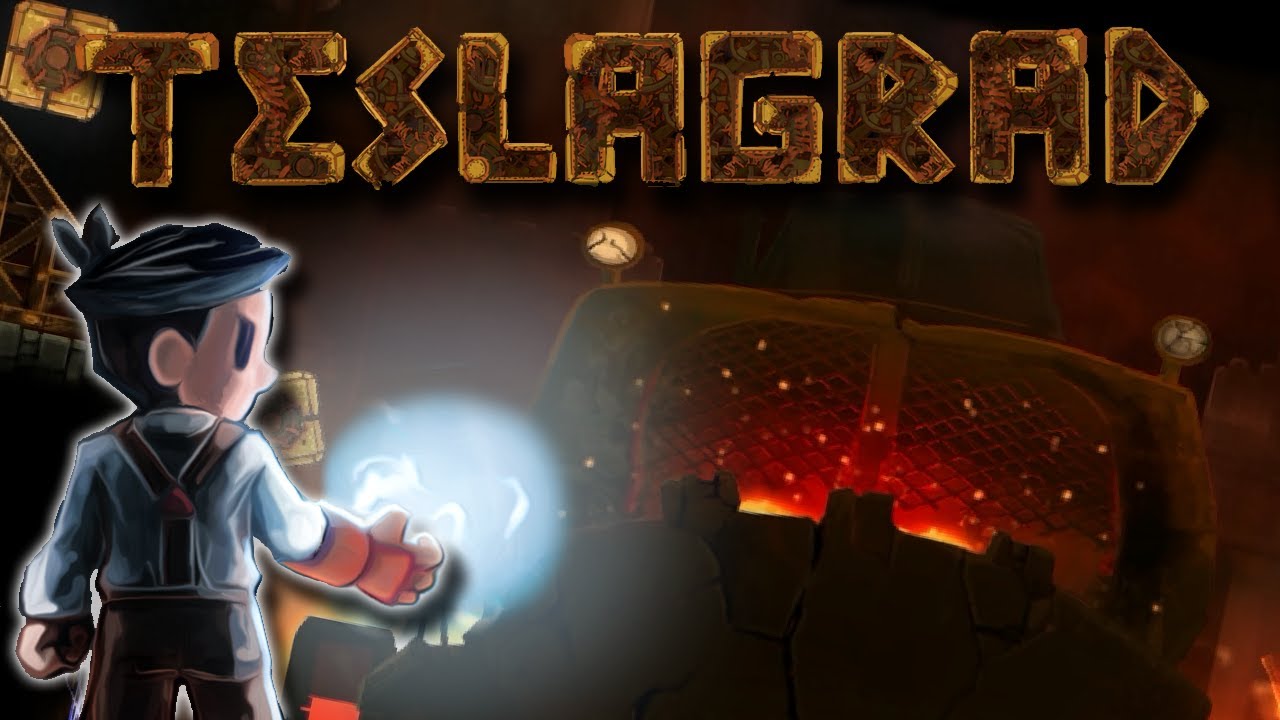
With the resurgence in popularity of side-scrolling platformers it’s becoming increasingly difficult for games to stand out. Gone are the days where simply running and jumping over gaps mark you as a high quality game. Platformers nowadays strive to find that unique thing that separates them from the rest, whether it be Max’s Magic Marker or Kirby’s increasingly unusual transformations. For Teslagrad, is it possible for it to define itself amongst the crowd?
Entering the castle for the first time, you could be mistaken for thinking that this is your standard side-scrolling adventure as you run and jump over obstacles. At its heart though, Teslagrad is a puzzle game and a tough one at that. Throughout your adventure, you will discover a number of tools that allow you to transcend the usual platforming of traditional side-scrollers.
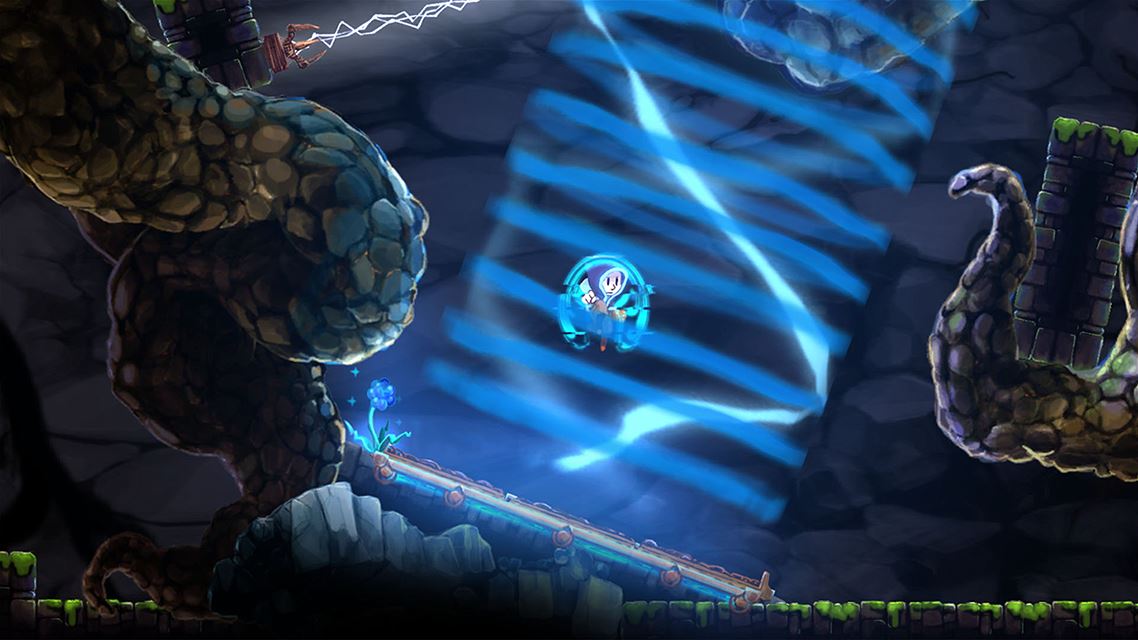 Teslagrad, as the name suggests, is based around the work of Nikola Tesla. Electricity and magnetism are your tools here, giving you multiple abilities. The power to magnetise objects, including yourself, allows you to access usually inaccessible areas using the attractive and repulsive nature of magnets to your advantage. With only a limited number of enemies, you can explore at your own pace with your only foe being the environment itself.
The tower is much like a dungeon from the Legend of Zelda games, requiring you to find a certain piece of equipment and using your newfound powers to progress. As you see your character rise through the tower, you can’t help but feel pride as every moment of the game requires you to think hard about what powers are required and, more often than not, combine multiple abilities to conquer a series of consecutive obstacles.
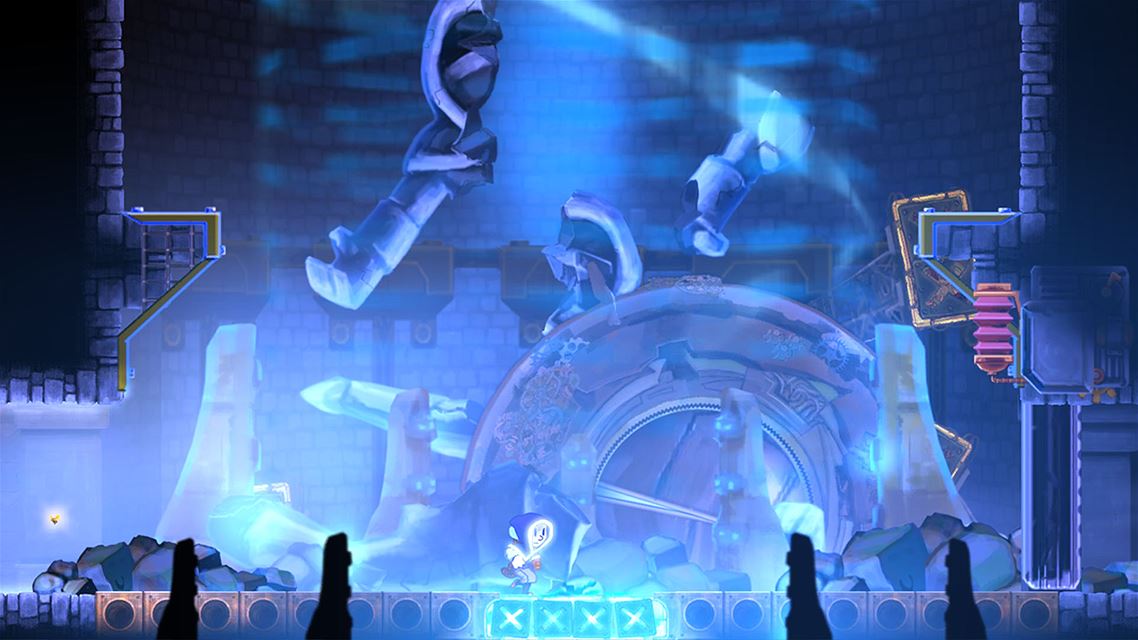
 There is a lot of depth to the gameplay here, testing your abilities and making you use them in new and varied ways. That variation keeps the game feeling fresh throughout, constantly facing you with new challenges and requiring you to adapt. The pinnacle of this lies in the small number of boss battles that close out each section of the game. During these encounters, you are pushed to the limit having to use everything you have learned up to that point to defeat them. These battles are tense, taking multiple attempts, as you learn the patterns and look for any vulnerability that might reveal itself. This makes for clashes that are easily on par with not just some of the finest that side-scrolling platformers have to offer but that games of all styles have as well.
Having said that, some of the later boss encounters – as well as a very small number of other moments while exploring the castle – can be a little too tough. While the game makes everything do-able, providing you know the patterns, there is very little room for error. In certain circumstances this can lead to some irritating moments where, even though you know the method, the precision required means you can’t quite pull it off. After multiple attempts trying to pull off a series of manoeuvres with almost absolute precision and still failing, it can be a little annoying when things just aren’t quite going to plan. Mostly, this is not an issue but for those who get frustrated relatively easily, myself included, it is definitely something worth noting.
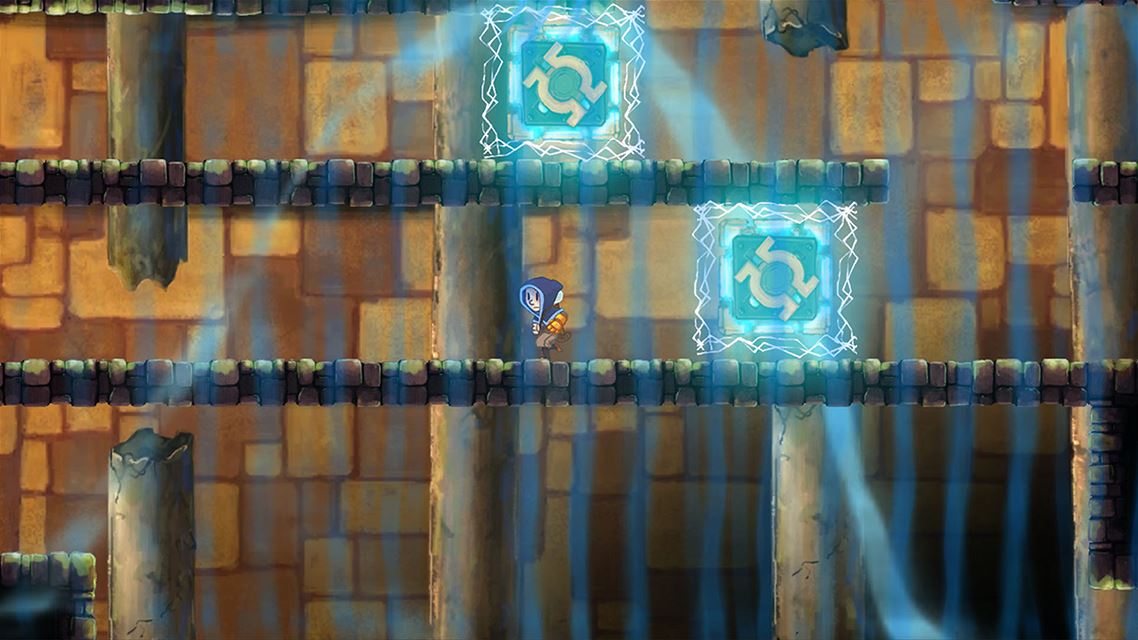 Unfortunately, despite the brilliant variation and clever gameplay throughout the rest of the game, the final sections require you to backtrack through the tower gathering fifteen hidden scrolls before you can advance to the final area and the conclusive boss encounter. These scrolls are scattered about, usually just out of reach, requiring you to find a way to access them. You can choose to collect these throughout the game, just as you would collect stars in a Mario game, but you are not told until the end that they are required to access the final area. Forcing these collectibles upon you as a prerequisite for advancement brings the game to an unnecessary halt. When the rest of the game has a constant flow, pushing you to delve deeper into the castle, it’s a shame that the final moments should ignore that and have you scouring every inch looking for scrolls that, otherwise, don’t really do anything other than give minor details about the castle’s inhabitants.
For those looking to find out more about the Tower’s history, theatres can be found throughout the castle where animations reveal information about the previous inhabitants and their conflict with an evil king. While brief, these performances provide a good amount of context to the events leading up to the beginning of the game and to the significance of your character being there. A minor drawback is that the story is not presented via the often beautiful hand-drawn visuals that make up the rest of the game, with the opening section being an absolutely gorgeous introduction to your adventure. Exploring the tower, the visuals emphasise the different areas making each one feel unique, closing with bosses that are charmingly animated.



GIPHY App Key not set. Please check settings